When I booted up Assassin’s Creed Shadows in 2025, I expected the samurai Yasuke to dominate my attention. By 2026, after dozens of hours in the Sengoku era, I keep coming back to Naoe—the quieter, faster, more emotionally exposed half of the game’s dual-protagonist structure. Part of that is how she plays: light-footed, hidden, lethal from the shadows. Part of it is MASUMI, the film and television actor who made her video-game debut as Naoe and, in a pre-launch conversation, explained just how personal the role became.
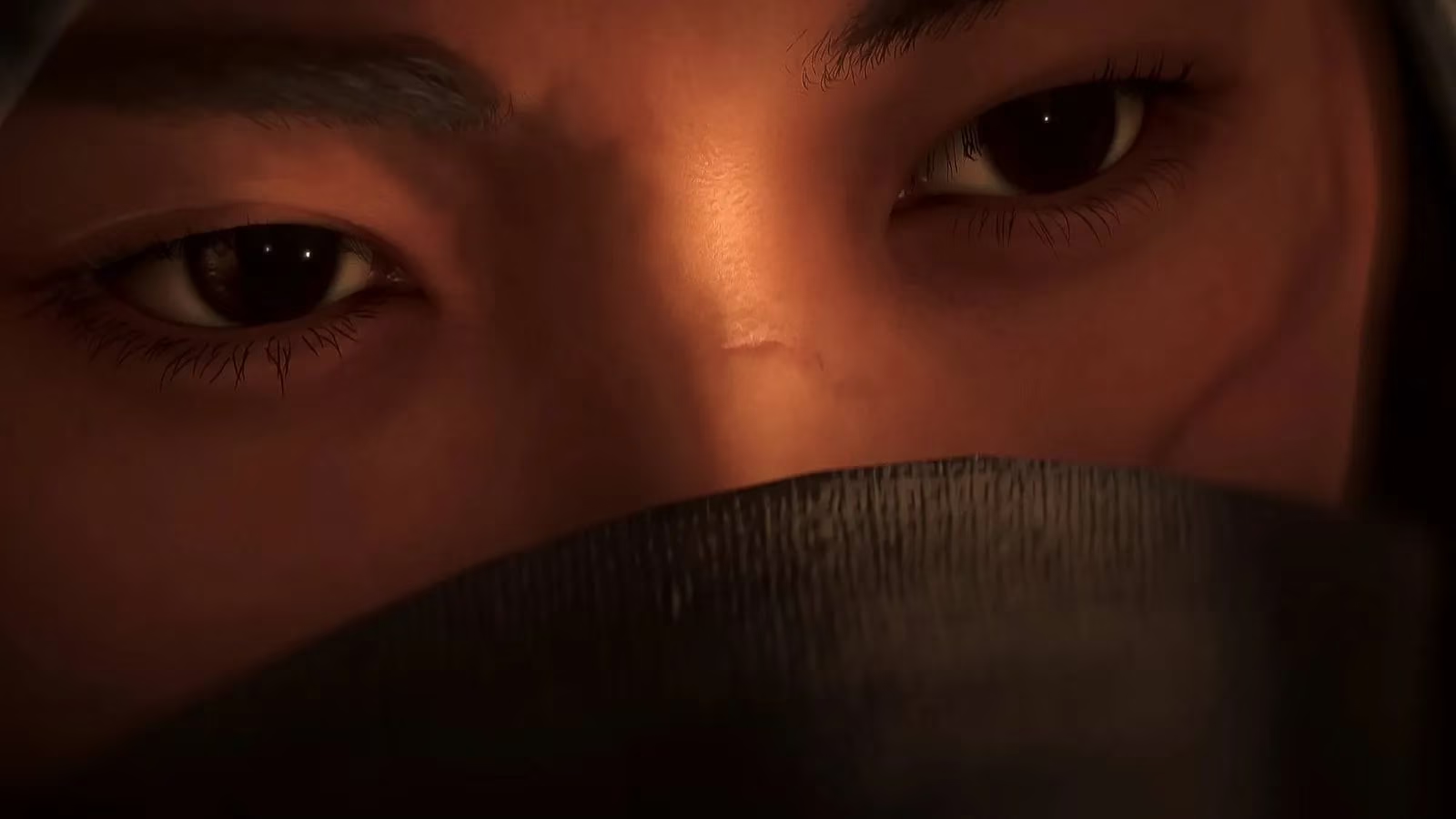
MASUMI, who stylizes her name in all caps, had never worked in games before Assassin’s Creed Shadows. She also had not played Assassin’s Creed. “I was not aware at all because I don’t play video games,” she said. That admission makes her performance feel even more surprising to me. She did not arrive with franchise lore in her head or a controller in her hands. She arrived as an actor, found the character through script and motion capture, and spent roughly two years living inside Naoe’s choices.
From a Six-Month Silence to a Two-Year Role
Casting stories are often tidy. MASUMI’s was not. She auditioned for a role that was not yet called Naoe, felt an immediate connection, and was happy with what she submitted. Then she heard nothing for about six months. The same audition came back around, and she declined it because she wanted to stand by her first take. After another three or four months, a callback arrived. The room was intimidating—she remembers around eight people watching—and the session ran about an hour and a half. She got the part.
That was roughly two years before release. For a first game role, it was an unusually long commitment. MASUMI had never done voiceover or motion capture. She had never stayed with one character for that long. Compared with a casual project like Naruto: Climbing Silver, which she described as something fun made with friends, Assassin’s Creed Shadows was a different scale entirely.

Mocap Without Doors
What I find most revealing is how MASUMI talks about the physical craft. Mocap studios are vast rooms, she said—no doors, no props, cameras all around. Actors have to stay spaced out, yet sometimes their characters need to touch or fight. She had to build doors in her imagination and then ask practical questions: Is this door heavy? Is it light? How tall is it? Those details matter when there is no set to play against.
That sounds like the opposite of the seamless stealth fantasy I enjoy on screen. In the game, Naoe moves through rooms, slips behind cover, and strikes from impossible angles. In the studio, MASUMI had to create the emotional and spatial reality from nothing. She called it challenging but rewarding. I called it the invisible labor behind every clean assassination.
The Naoe MASUMI Found
Brooke Davies, associate narrative director on Assassin’s Creed Shadows, praised MASUMI’s emotional expression, core optimism, and naivete, mixed with conflict and a push for change. MASUMI’s own read on Naoe is sharper. She describes her as a straight shooter who does not BS, who is honest, who loves her family, and who knows exactly what she thinks is right. That certainty can also blind her. She pursues what she believes until she sees the consequences.
| Naoe trait | MASUMI’s description | Why it works in play |
|---|---|---|
| Honesty | “She doesn’t BS” | Makes Naoe feel direct rather than mythic |
| Family loyalty | Passion for family | Gives stealth a personal cost |
| Self-knowledge | Knows her value | Explains her confidence in the shadows |
| Vulnerability | Tough but exposed | Keeps her from becoming a cold killer |
| Revenge and forgiveness | Two themes that stuck with MASUMI | Turns combat into an emotional argument |
That last theme is deeply personal. MASUMI used to be a singer-songwriter and wrote a song called “Sinking Boat” about forgiveness. When she read Naoe’s script, it spoke to her. She also drew on family history: grandparents who went through war, and a father who talked about its repercussions. The Sengoku era is a setting of constant loss, and MASUMI said she spent a lot of time sitting with what that would do to a person.
A Shinobi and a Samurai
I also appreciate how MASUMI frames Naoe’s relationship with Yasuke, played by Tongayi Chirisa. At the start, Yasuke invades Naoe’s hometown of Iga. He is not her friend. Their journey eventually pulls them together, but they begin from opposite principles. Yasuke is a large samurai in armor who cannot hide anywhere. Naoe is always in the shadows, light-footed and quiet. That contrast is not just visual; it bleeds into the writing and the performances.
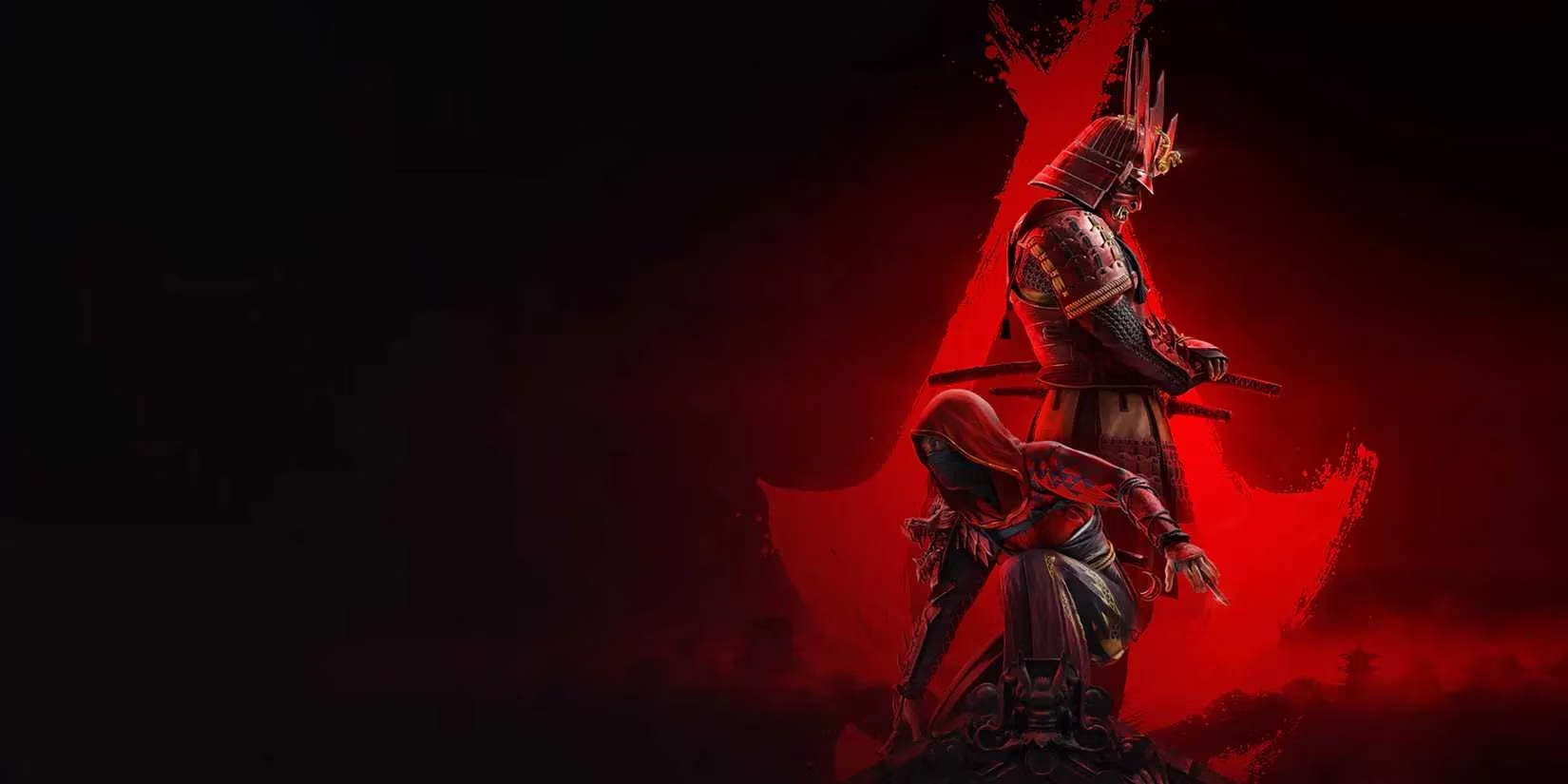
Off screen, MASUMI and Chirisa became fast friends. She called their friendship one of the highlights of the project and described him as warm, brotherly, professional, and emotionally connected. She also admitted that eight-hour mocap cinematic days can be exhausting, especially with heavy headgear, so having a generous scene partner mattered.
What Comes Next
MASUMI hopes Assassin’s Creed Shadows is not her last game. She always wanted to be a video-game character, and she now has experience she did not have before. Her dream role is not necessarily another assassin. She wants a character fighting for something, someone who goes through internal battles and faces their own shadows to conquer something bigger than themselves. She wants layers of human emotion.
That is exactly what I want from Naoe’s next appearance, too. MASUMI says the visuals are gorgeous, but the story is equally or even more brilliant. After playing through the game, I agree. The Sengoku era looks stunning, but Naoe’s journey is what stays with me: a shinobi who is tough, honest, vulnerable, and still learning what forgiveness costs. 🥷🎮