When I first stepped into feudal Japan during my playthrough of Assassin's Creed Shadows, I thought I had the formula figured out. I’d spent countless hours in the Animus across previous entries, but this adventure taught me very quickly that the old rules don’t always apply. I spent hours mastering Naoe's stealthy approach before Yasuke even showed up, and while the game is a great teacher, there were several mechanics I initially underestimated or flat-out ignored. Looking back on my journey in 2026, I realize that applying a few specific strategies made the difference between a frustrating grind and a fluid, empowering experience.
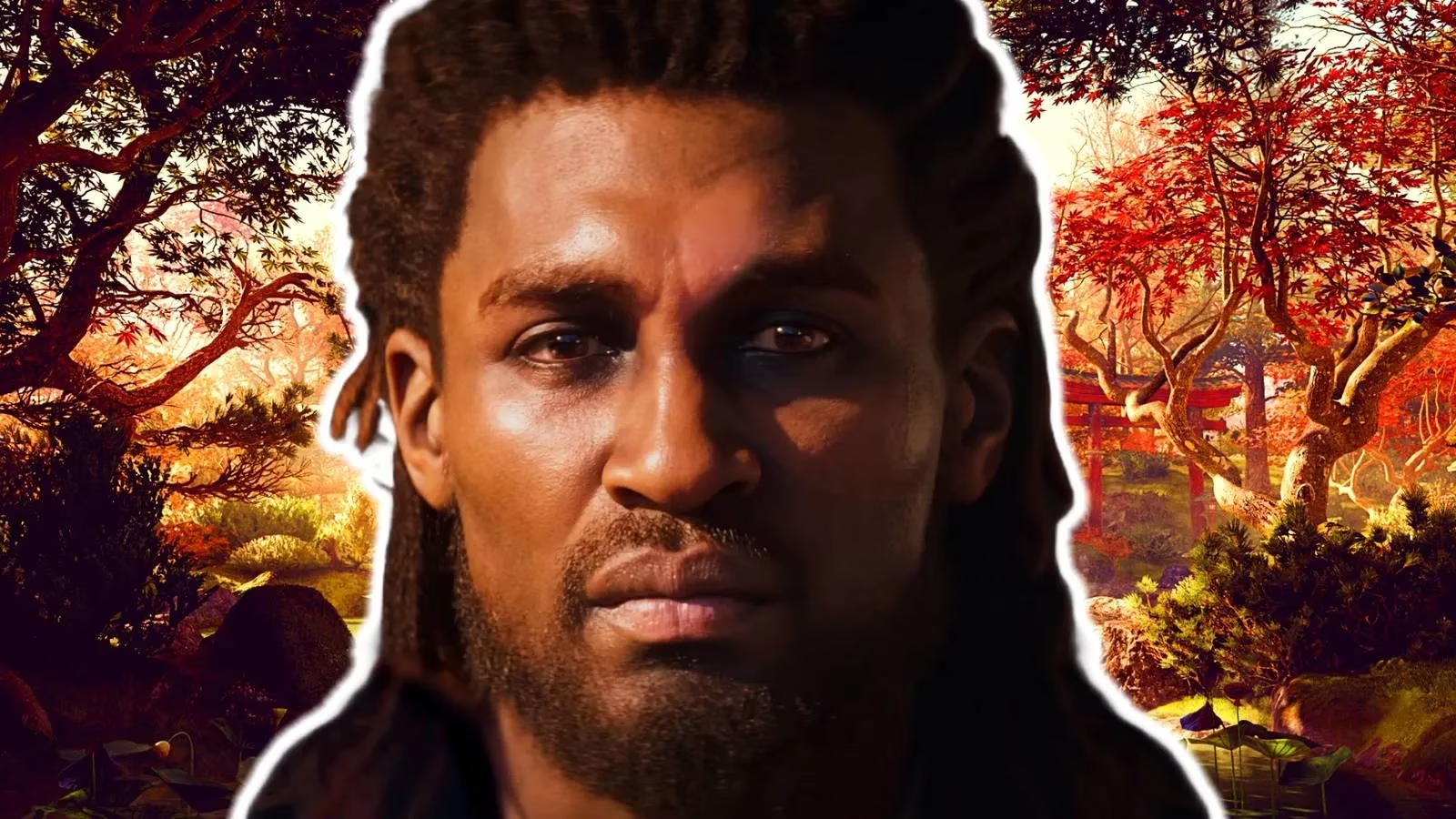
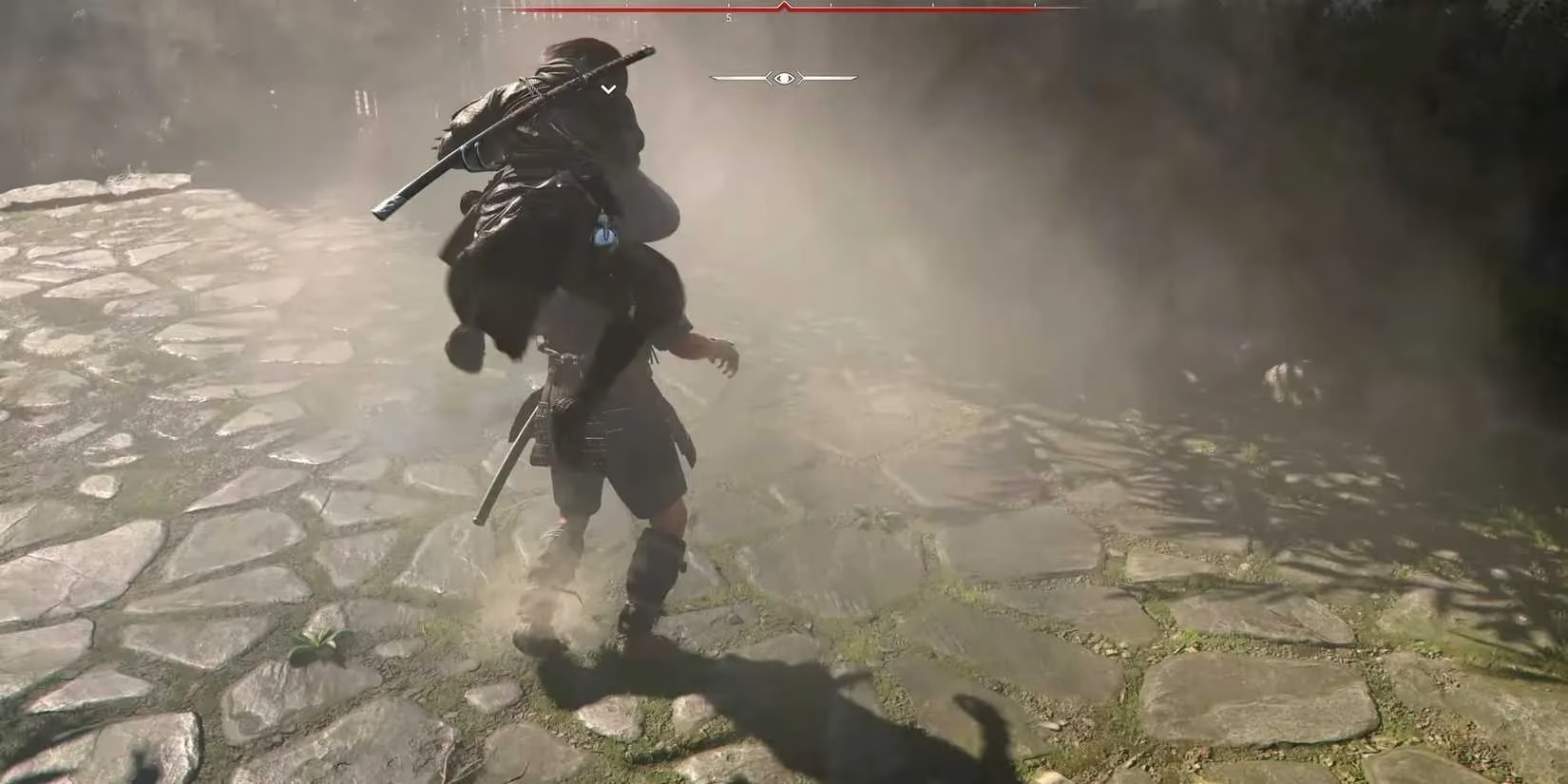
My first major revelation came when I found myself cornered in a heavily guarded fort. Unlike the brawling assassins of the past, Naoe is a precision instrument, not a tank. I learned the hard way that fighting three samurai head-on was a death sentence. That was when I truly understood the value of the smoke bomb. The game doesn't do a great job of hyping this tool, but I discovered it is the ultimate equalizer. Whenever I bit off more than I could chew, I dropped a cloud of smoke and vanished into the shadows. Escaping a bad fight to re-enter stealth was always faster and smarter than trying to parry my way out with a low-health Naoe.
While traversing the bustling roads, I nearly ignored the random chatter of civilians. However, I soon realized that stopping for a quick chat is one of the easiest ways to get ahead. I started looking for the speech bubble icons above heads and never missed a chance to interact. These random encounters were goldmines. They handed me free scouting locations, side quests that dished out experience, and plenty of Mon to spend on upgrades. In a game this massive, taking thirty seconds to help a local often saved me minutes of blind exploration.
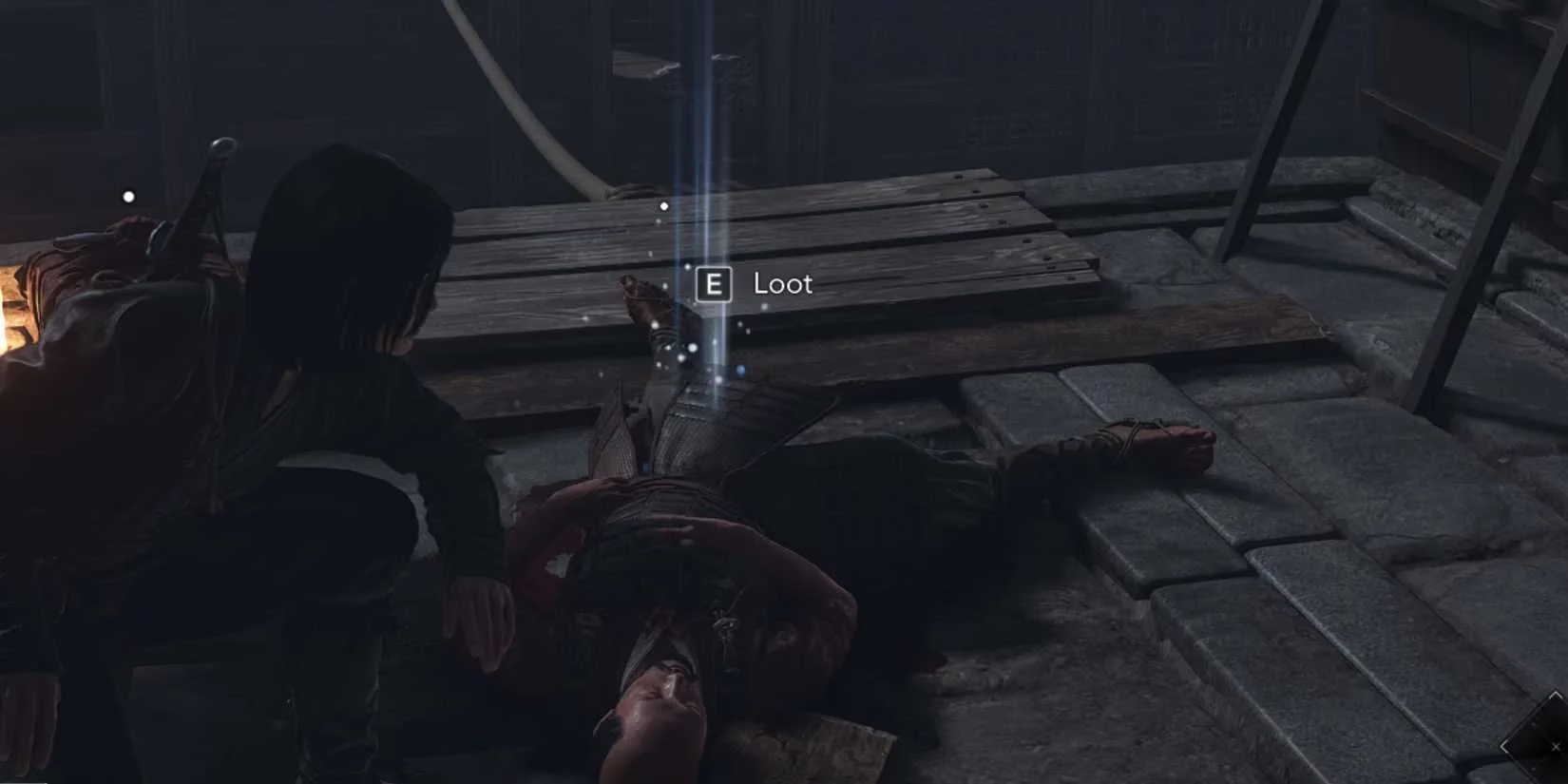
My inventory management also changed drastically once I stopped being lazy. Initially, I ran past the corpses of my enemies, thinking looting wasn't worth the animation time. That was a mistake. Once I started searching every body, I never ran out of Kunai, Shuriken, or arrows for Yasuke. There is nothing worse than running out of ammo during a boss fight, so I made it a rule to loot everything. It takes just a moment, but it guarantees I always have a full pack when the combat gets intense.
One of the most frustrating parts of the franchise has always been the occasional "tanky" guard who survives a neck stab. Shadows has a clever workaround for this, though. I started paying attention to the assassination prompt color before striking. I came up with a simple rhyme to remember it: White means go, Yellow means brawl, Red might kill me after all. If the prompt was white, the target died instantly. If it was yellow, I knew I was in for a fight but could usually stagger them. If it was red, I backed off and used a tool instead. This simple visual cue saved my life more times than I can count.
When it came to weaponry, I had a long talk with myself about efficiency. While the game lets you choose your playstyle, I highly recommend prioritizing the Tanto. It isn't just a dagger; it grants access to the Hidden Hand ability, allowing me to one-shot enemies even when my level was technically lower than theirs. Combined with the Shadow Pierce special attack, the Tanto made Naoe a whirlwind of death. It is lightning fast, which is essential when you are being swarmed by multiple aggressors.
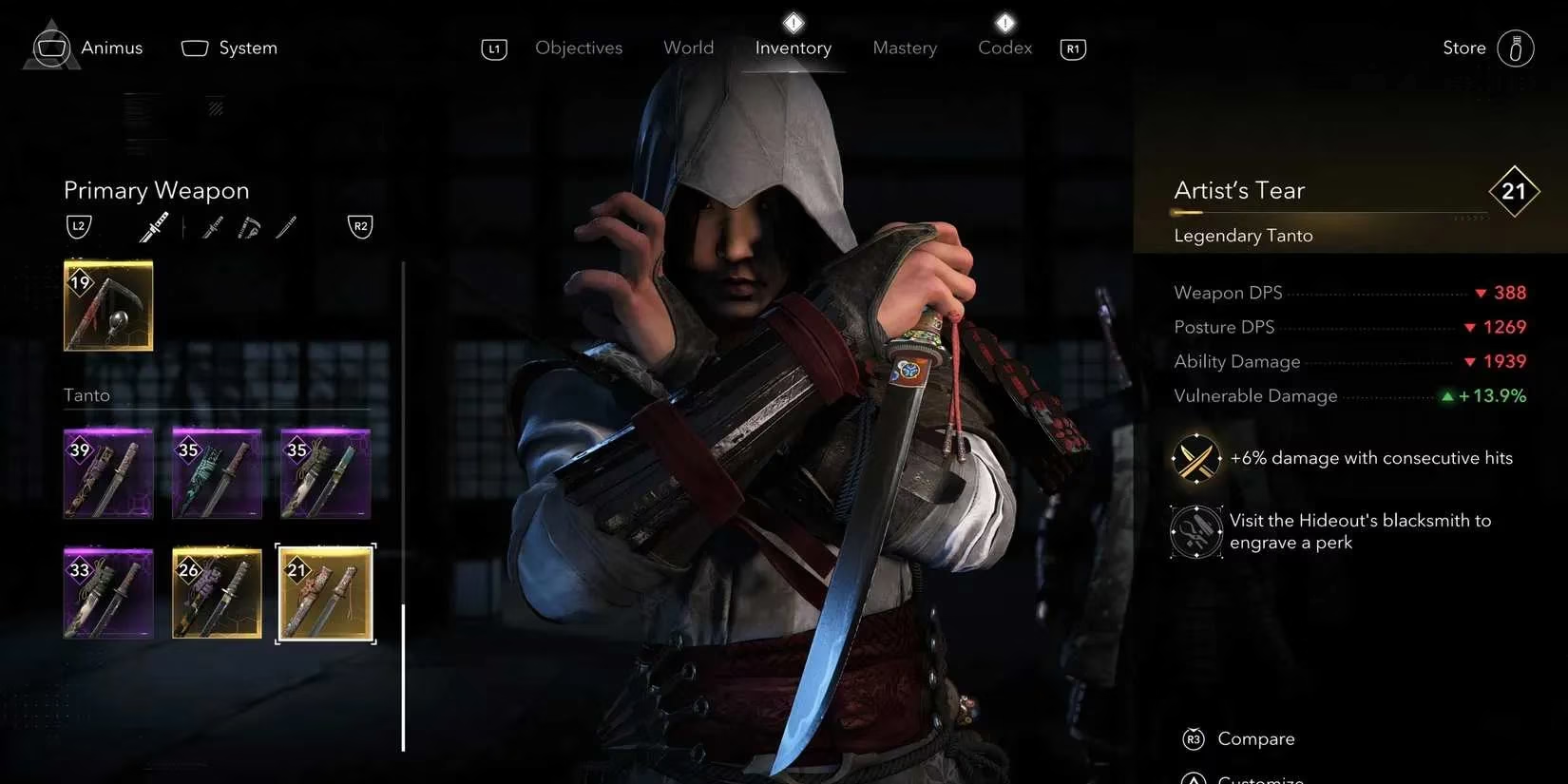
To get that legendary gear, I also made castle raids a core part of my routine. It is a straightforward path to high-quality loot, but more importantly, the experience gain is massive. Even if I snuck past most of the guards, every castle has a Samurai Daisho waiting at the end. These fights are unavoidable, but the payoff in gear and XP is absolutely worth the bloodshed.
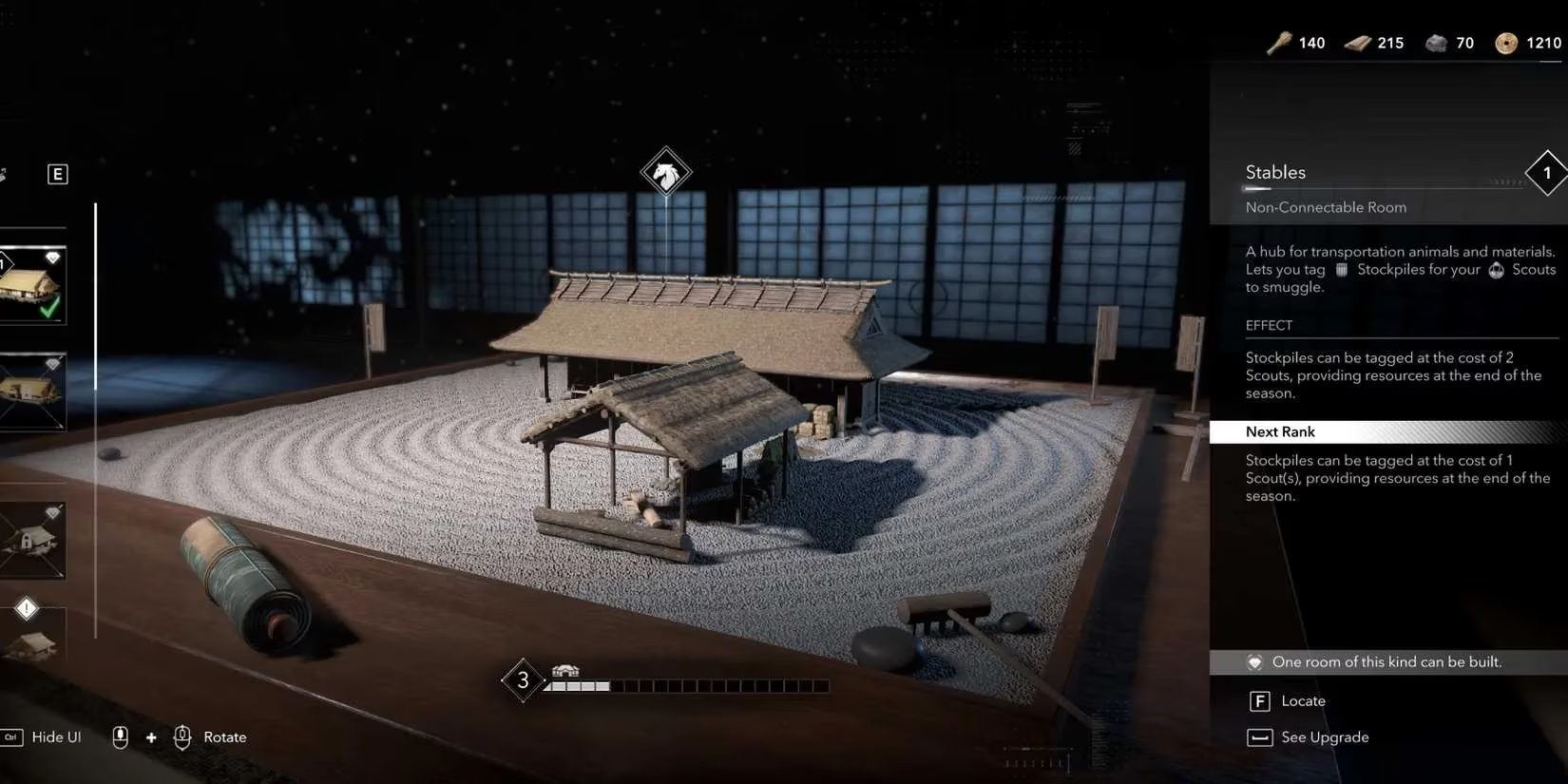
Finally, I realized I was neglecting my home base. Upgrading my Hideout became a priority after I realized how much time it could save me. I focused on the Stables and the Study first, which allowed me to utilize my scouts effectively. Instead of hauling resources myself, I simply tagged the supply caches in enemy camps, and my scouts handled the transport. This system saved me from the tedious inventory management that plagues other RPGs and allowed me to focus on the fun part: the assassination.
Mastering the parry system was the final piece of the puzzle. I stopped mashing buttons and started watching for the cues. White meant a parriable strike, Blue meant a series of blocks were coming, and Red meant I had to dodge. Once I stopped trying to be a hero and started using the posture system to stagger enemies, the game clicked. Shadows rewards patience and preparation, and once I embraced that, I finally felt like the ghost of Japan.