As a player who has spent plenty of time wandering virtual Japan, I have to ask: what happens when the fantasy of a game meets the stone, wood, and weather of the real world? For me, the answer arrives with a fan-led project that feels part travel diary and part virtual archaeology. One player, GenericReditUserName, has been visiting locations across Japan to compare Assassin's Creed Shadows with real life. The first stop is Osaka Castle, and the side-by-side results are exactly the kind of detail I love to see from this series.
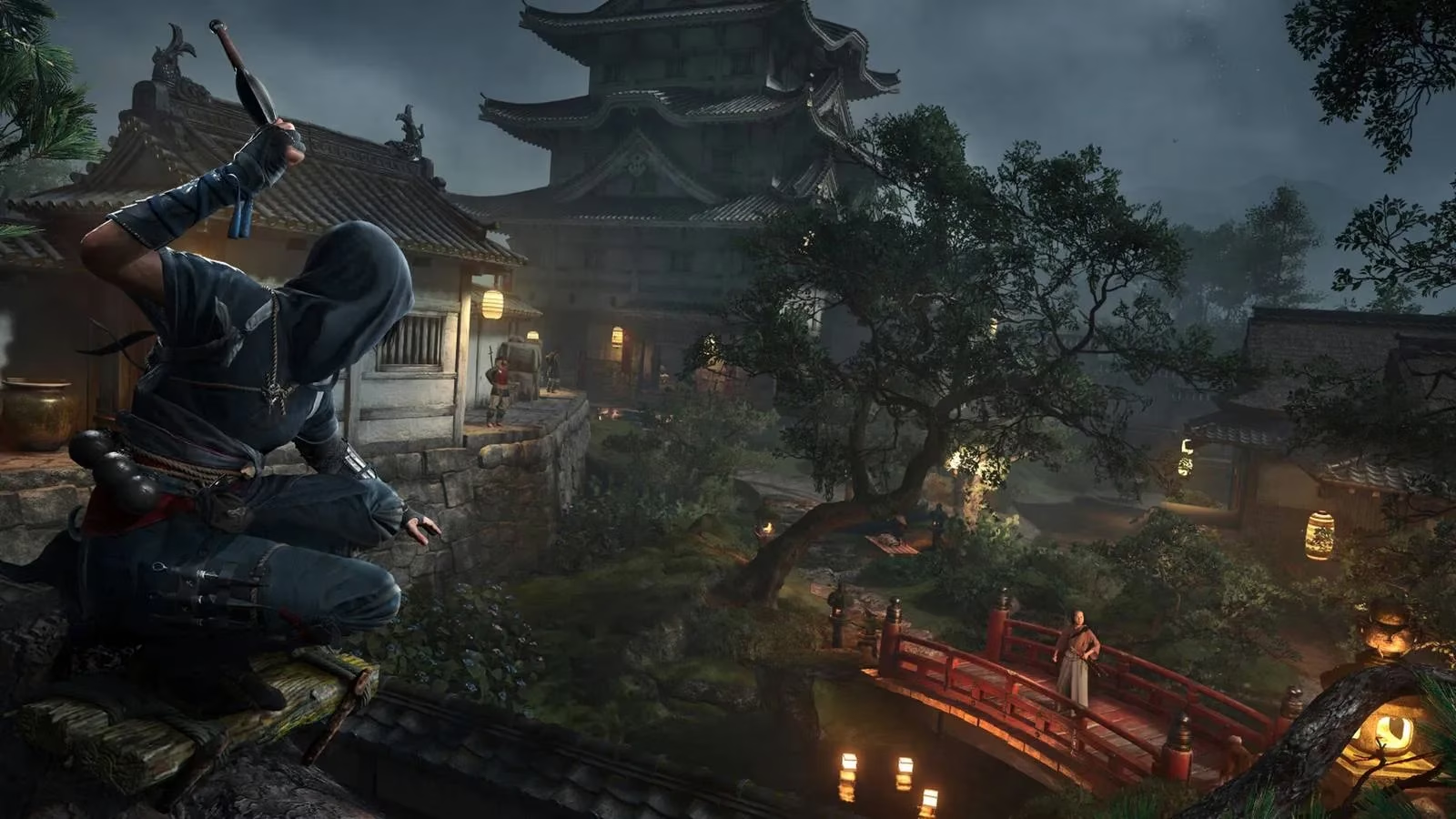
By 2026, more than a year after its launch, Assassin's Creed Shadows has already been discussed as a positive turn for Ubisoft. The game arrived after several tough releases and multiple delays, and it clearly needed to stick the landing. It did so with positive reviews and player-count milestones that gave the franchise some fresh momentum. As a player, I am always curious whether that success came from combat, story, or the world itself. This Osaka Castle comparison makes a strong case that the world deserves a lot of the credit.
A Castle Caught Mid-Construction
What stands out to me first is not just the shape of Osaka Castle, but the state of it. In Assassin's Creed Shadows, various areas of the castle are still under construction, which fits the period in which the game is set. That is a small choice with a big effect. It turns the castle from a static landmark into a place with a timeline. I have to ask: how many games would bother to show a famous building before it was finished? Ubisoft's attention to detail here is the kind of thing I notice as a player, and it makes the location feel less like a backdrop and more like a living site.
The real-life comparison is just as interesting. Osaka Castle was built around the period Assassin's Creed Shadows is set, and the fan's photographs show how the game captures its recognizable profile. Of course, more than 400 years have passed. The surrounding areas have changed, and many of the castle fortifications present in the game are gone in real life. But traces remain thanks to their stone bases. That is the part that fascinates me most: the game can show the fortifications as they might have looked, while the real world preserves only fragments.
What the Side-by-Side Shows
| Element | In Assassin's Creed Shadows | In Real Life |
|---|---|---|
| Osaka Castle profile | Recognizable and period-appropriate | Still instantly identifiable |
| Construction state | Areas shown under construction | Completed over centuries |
| Fortifications | Present in the game | Many gone, stone bases remain |
| Surrounding areas | Recreated with strong attention to detail | Changed after 400 years |
This table is simple, but it captures why the comparison works. I am not looking at a one-to-one copy. I am looking at a playable interpretation. The game keeps the silhouette and the sense of place, then fills in the gaps with historical imagination. Is that not exactly what historical games should do? They cannot rebuild every lost wall, but they can help players understand what those walls meant.
Why This Matters for the Series
Assassin's Creed has always traded on historical accuracy, especially with large iconic structures. I still remember how Assassin's Creed Unity's Notre Dame became part of a wider conversation after the 2019 fire, because Ubisoft's detail made the cathedral feel so tangible. Osaka Castle now joins that tradition. The fan's photos from numerous angles, matched with in-game shots, show that the surrounding areas remain similar to real life. Some things have changed, but the location is instantly recognizable. For a player, that is a quiet triumph.
✅ The castle is recognizable from multiple angles.
✅ The construction state adds period detail.
✅ The stone bases in real life connect the game to surviving history.
⚠️ The comparison also shows how much time has erased.
As I look at this project, I keep wondering where GenericReditUserName will go next. Kyoto? A smaller castle town? A mountain pass? The first comparison already proves that Assassin's Creed Shadows is doing something special with its Japanese setting. In 2026, with the game's launch well behind us, this fan project feels like a reminder of why these worlds matter. It is not just about running across rooftops. It is about looking at a real castle and thinking, for a moment, that I have stood there before.