The first time a player booted up Assassin's Creed Shadows in 2026, they might have felt a strange stillness where a familiar hum used to be. For years, the series had yanked them out of feudal Japan or Ptolemaic Egypt and into the present day, often at the worst possible moment, like a stagehand who stops the play to sweep the floor. Shadows did something different: it nearly erased the modern-day storyline altogether. After a brief, cryptic sequence in which the Assassin Brotherhood hacks the Animus, players are left almost entirely inside the memories of Naoe and Yasuke. The present day becomes a ghost—mentioned, hinted at, but never forced. For many, this was a relief. For others, it felt like losing the final thread that stitched the games into a single tapestry.
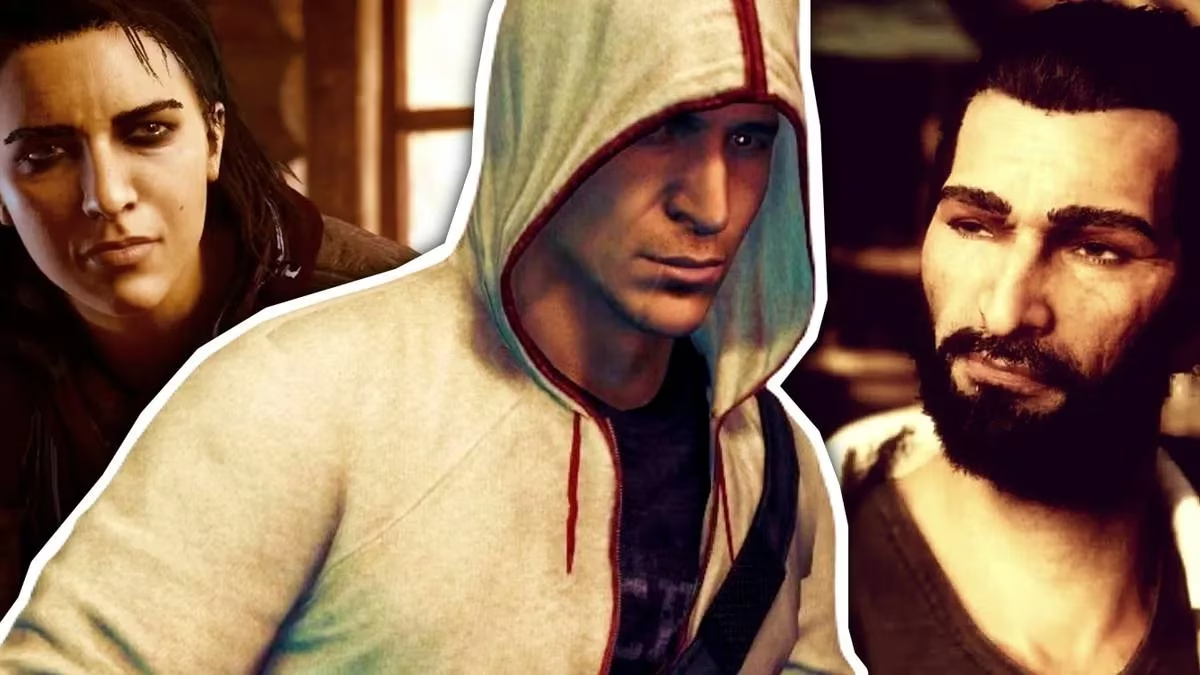
Ubisoft had spent years trying to make players care about modern-day protagonists after Desmond Miles died. Layla Hassan arrived with good intentions and left with a shrug. The unnamed protagonists of Black Flag, Rogue, Origins, and Odyssey often felt like passengers on a bus they had not chosen to board. The modern-day segments became a chore, a mandatory hallway between the historical sandbox and the next cutscene. So when Shadows removed the hallway almost entirely, it was smart. Taking away something expected is a powerful way to make players miss it. The absence created a vacuum, and vacuums in storytelling are not empty—they are invitations.
Yet the game also revealed a problem. Without the present day, the Assassin's Creed titles become truly independent of one another, connected only by rare mentions of the Brotherhood. The series risks becoming an anthology of historical tourism rather than a saga. Ubisoft has said it wants to fix the modern day, and removing Layla was a start. But the Animus Hub—a central launch pad accessible from the main menu—is not enough. It feels like a launcher, not a story. Players cannot leave it to see the real world, and that absence is both a clever tease and a missed opportunity.
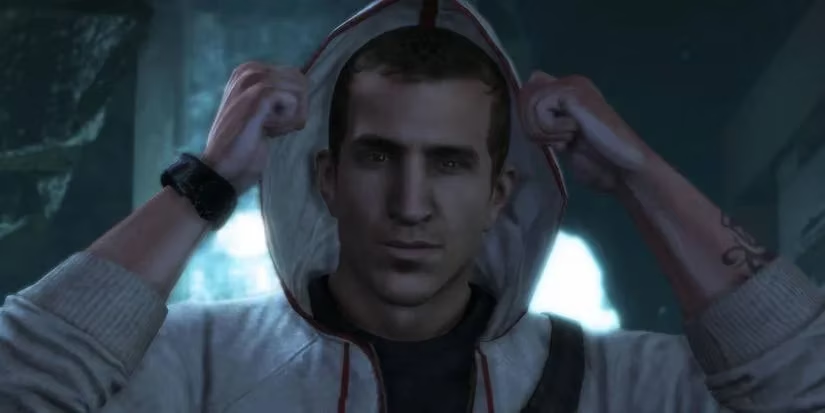
Consider how Desmond was introduced. In the first Assassin's Creed, his story was not forced. Players could speak with Lucy, read emails, or learn about his past with Dr. Warren—but they could also go straight back into the Animus after every break. The modern-day was optional, mysterious, and rewarding. It was like finding a locked drawer in a house you thought you knew; you could ignore it, but curiosity would eventually win. By the time Assassin's Creed II arrived, players were actively replaying the first game to uncover more about Desmond. Ubisoft had earned the right to make them care, because it had first given them the choice. That is the lesson Shadows should carry forward.
| Element | Desmond Era | Post-Desmond Era | Shadows Approach |
|---|---|---|---|
| Modern-day presence | Optional but persistent | Often forced and disruptive | Nearly absent |
| Player agency | High—explore at will | Low—interruptions mid-mission | Very low—no leaving Animus |
| Mystery | Strong and gradual | Rushed or muddled | Teased but underdeveloped |
| Emotional hook | Built over multiple games | Attempted but uneven | Missing |
Emoji summary: 🎮 The modern day should be a playground, not a pop quiz. 🕰️ Time outside the Animus should feel like a secret room, not a locked door. 🔍 Mystery is the hook; force is the blade that cuts the line.
The contrast between Desmond's death and Layla's removal is telling. Lucy's death in Brotherhood caused an uproar because players had invested in her. Layla's exit barely registered. That difference is not about plot twists; it is about earned affection. Ubisoft cannot simply drop a new modern-day protagonist into the Animus Hub and expect players to care. It must rebuild slowly, the way a gardener coaxes a damaged orchard back to life—not by flooding the soil, but by leaving a few paths open and letting curiosity wander.
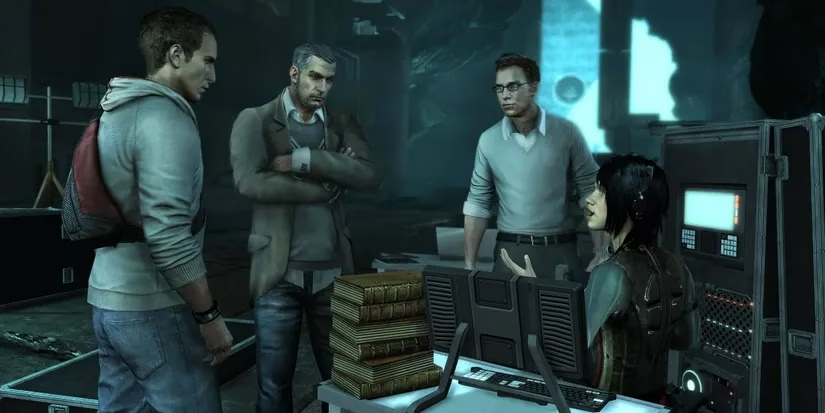
By 2026, Shadows has given Ubisoft something rare: breathing room. The loudest complaints about forced modern-day segments have quieted. Now the company can experiment. A simple "get up" option in the Animus Hub—a small room, a few interactive details, a conversation with a handler—would be enough to reignite curiosity. Players who press it should find a world that feels like a half-remembered dream: a desk with emails, a window with a view, a character who knows more than they say. The first game did this with almost nothing, and it worked because the mystery was patient.
Ubisoft should not mistake silence for surrender. The modern-day storyline is the only large-scale way to tie these games together now that the Brotherhood itself has become a background hum. Shadows proved that players can live without it, but it also proved that absence creates a space where something new could grow. The next step is not a grand reveal. It is a small, optional door—left slightly ajar, waiting for the curious to push it open. If Ubisoft builds that door with care, players will walk through it on their own. And that, more than any forced cutscene, is how the modern day becomes alive again.